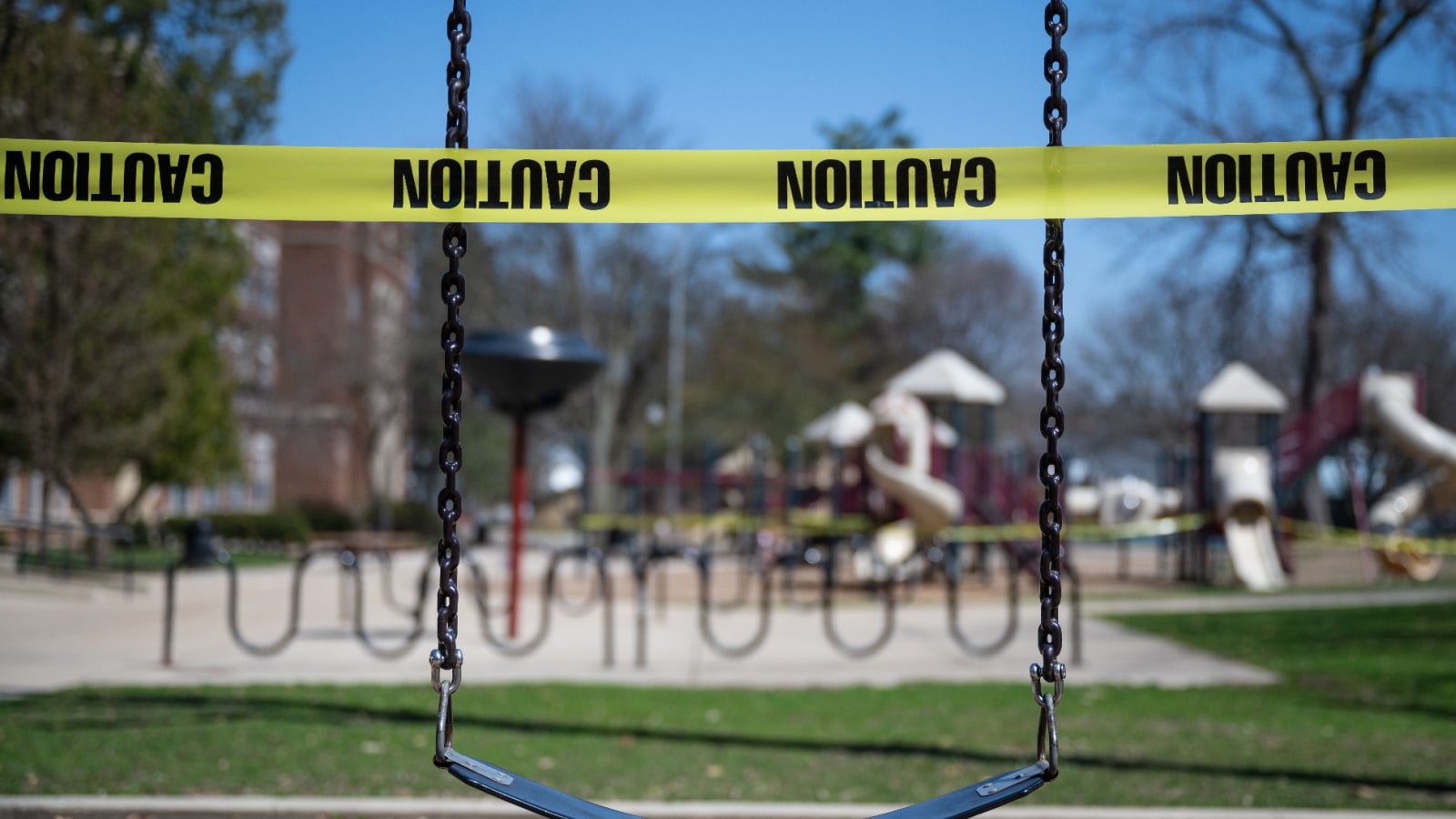

Finally, a mainstream news source is highlighting one of a million data points showing how lockdowns were a hinge of history, a mighty shock to economics, demographics, health, social well-being, and freedom.
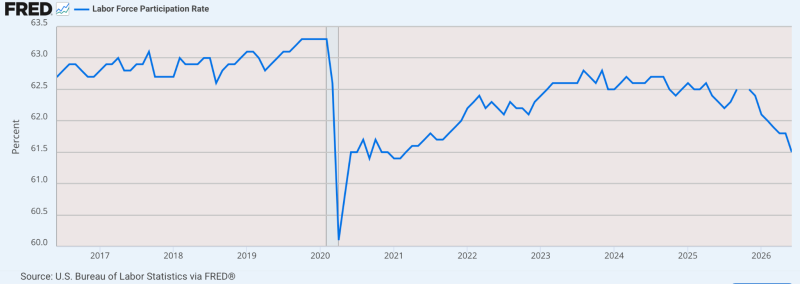
“Shocking 105 million Americans are not working – more than during Covid or the Great Recession,” blared the New York Post.
Finally that’s something.
The graph alone tells the story. You thought that having the government forcibly send millions of people into lethargy and sloth, bankrupting millions of smaller businesses, slicing and dicing workers into essential and nonessential, would be devastating for labor force participation. It’s actually worse now than in the depths of the lockdowns, and 10.8 million more than were out of the labor force in 2019, for a total of 105 million.
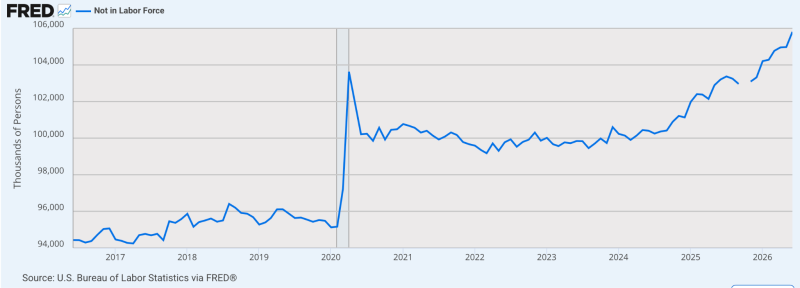
The growing crisis of labor drop outs since 2020 hits men more substantially than women: Woman not working up 10.9%; Men not working up 13.6%; Overall number not working up by 11.19%.
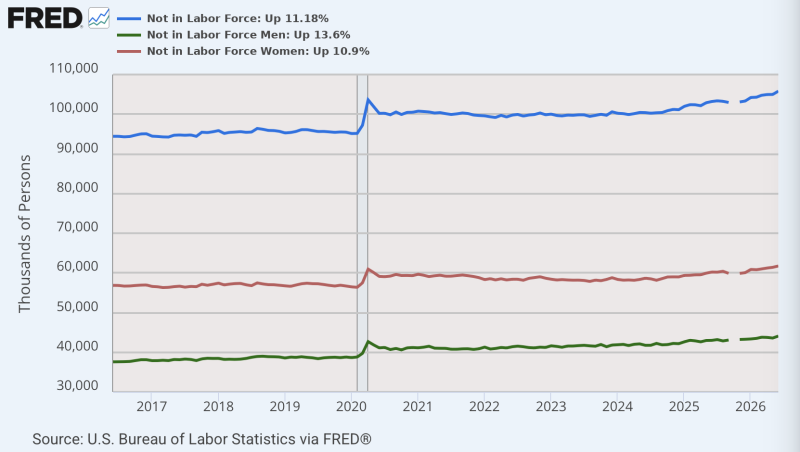
The labor force participation rate reveals the trends, not as grim as the lockdown days but still trending downwards – the opposite of what should be happening.
The topic is still taboo – but the longer time goes on, the more scholars and people will mark the Covid lockdowns as a grave turning point in the history of our times. We are now at enough distance to see this clearly in ways we could not. More than that, it was frequently denied.
Today it is undeniable. We have enough real-world data to point to the lockdowns and forced injections as a decisive desideratum of decivilization.
It’s not just the aggregate data that is sounding alarms. We have a generational shift in the works, as noted by journalistic conventions that conveniently leave out causality. “Gen Z Fell Out of Love With Work,” writes Emi Nietfeld.
“Gen Z-ers are often accused of shrugging off work — in fact, they say so themselves — and who can blame them? They’ve watched millennial workers burn out, wages stagnate, degrees turn worthless and institutions crumble. Now, they’re entering what’s widely called the worst job market in years. Almost half of recent college graduates are unemployed or underemployed. The cost of living has soared; buying a house feels impossible. Who knows where we’ll live anyway once the Earth is uninhabitable. One viral meme captured the prevailing sentiment that ‘basically nobody under 40 right now expects good things to happen ever again.’”
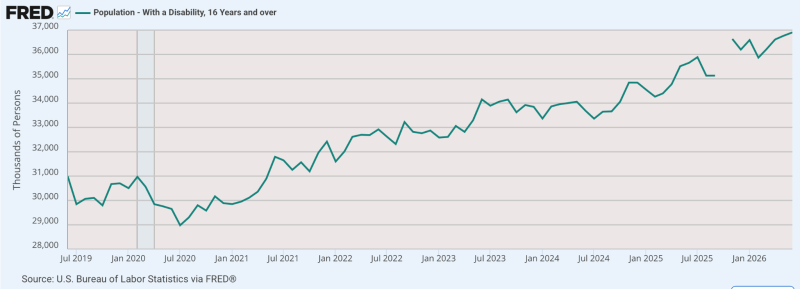
There are many factors at work here including tight labor markets, forced retirements, and self-reported injury. There has been a sharp rise in disabilities post-2020, reaching 38 million. So-called “long Covid” continues to get the blame despite mass forced distribution of a dangerous experimental shot.
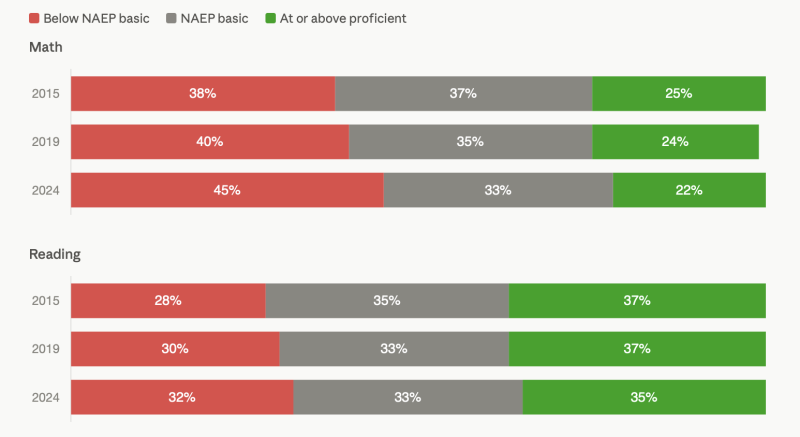
We’ve witnessed historic declines in student reading proficiency, as 12th-grade reading scores hit their lowest level since tracking began (1992), with only 35% proficient (down from 37% in 2019). Elementary-grade reading has also dropped sharply, the largest declines in decades, worsened by prolonged school closures and remote learning.
Broader proficiency gaps appear in incoming college students, with reports of 14% of US college students testing at or below a 10-year-old’s reading level. This aligns with K-12 pandemic losses compounding into higher education, hence pervasive ignorance despite high graduation rates.
Overdose fatalities surged dramatically post-2020, with annual deaths often exceeding 100,000 in recent years — a major contributor to excess mortality. Isolation, economic stress, and disrupted treatment access during lockdowns amplified the crisis.
Researchers report nothing but confusion as to why “excess deaths in the United States kept rising even after the peak of the COVID-19 pandemic, with more than 1.5 million in 2022 and 2023 that would have been prevented had US death rates matched those of peer countries.”
Younger adults, minorities, essential workers, and caregivers reported disproportionately worse mental health, with elevated depression, anxiety, and suicidal ideation during/after lockdowns. Social isolation directly correlated with higher distress levels in surveys.
Meanwhile, there is no end to the discovery of strange anomalies always attributed to long Covid but which are more likely due to the unmentionable injectable countermeasure. For example, one study found surprising cognitive issues such as an inability to retrieve words and their close substitution which fillers. What immediately comes to mind is the sudden ubiquity of slop language: like, you know, literally, going forward, well, to be honest, and so on to the point of unintelligibility, all massively worsened since 2020.
Total fertility is experiencing a historic decline in the US, accelerating dramatically since 2020.
So much for demographics. Let’s talk economics.
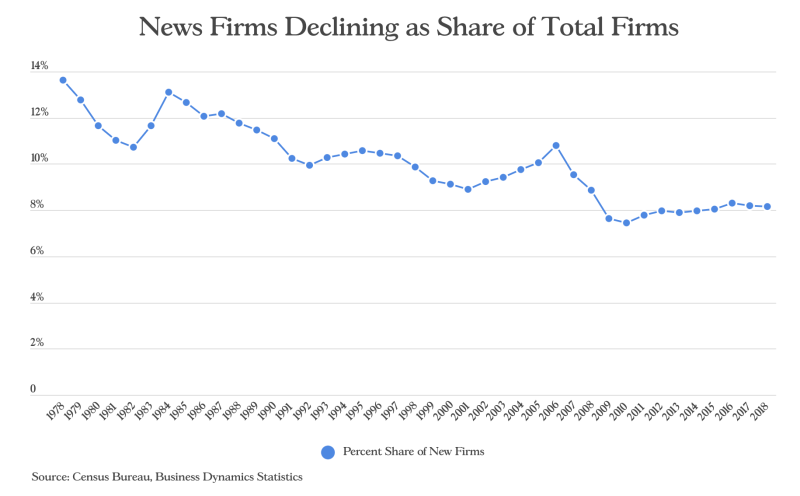
JP Morgan reports that 40-45 percent of small businesses closed temporarily while government stimulus only delayed permanent closure for millions. New firms started out of necessity – old jobs could not be recovered – but with a much higher failure rate. This has led to business consolidation as new firms are a falling percentage of total firms.
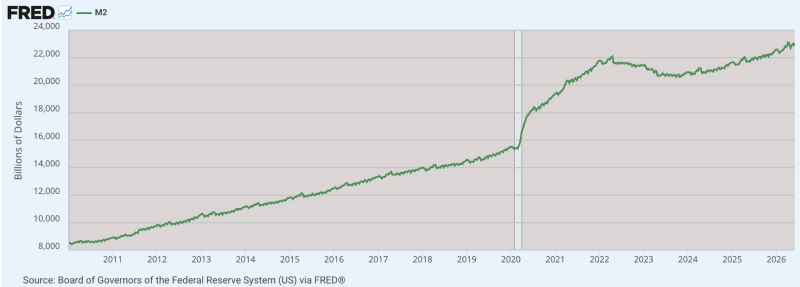
Inflation since 2020 has eroded 27% of purchasing power in official data and 37% in alternative measures.
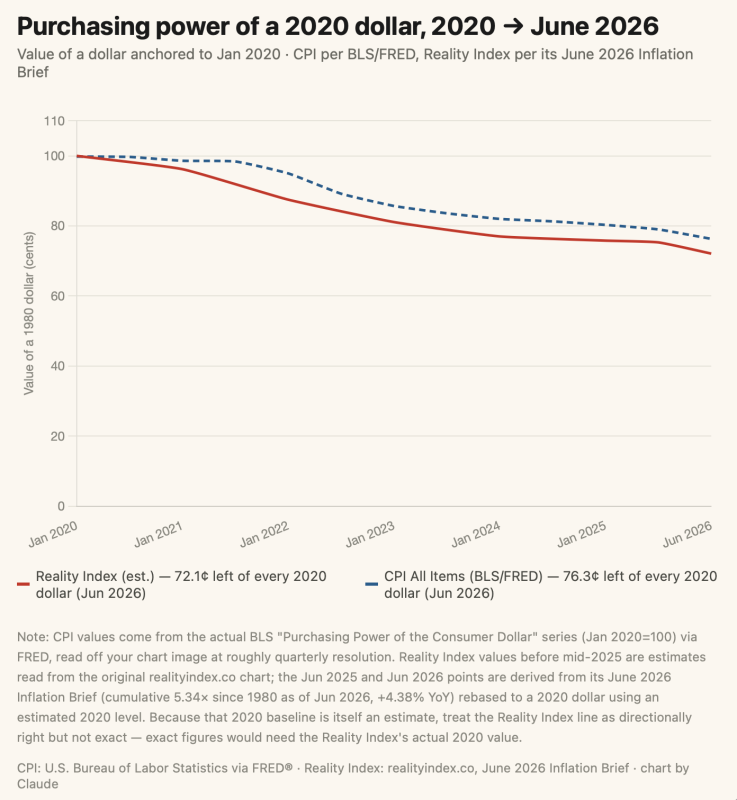
The causal connection is rather obvious: some $8 trillion in new printed money. The result: a third or more of purchasing power was stolen from the public.
This in turn has driven down the savings rates to a low of 3%, falling after boom via stimulus payments.
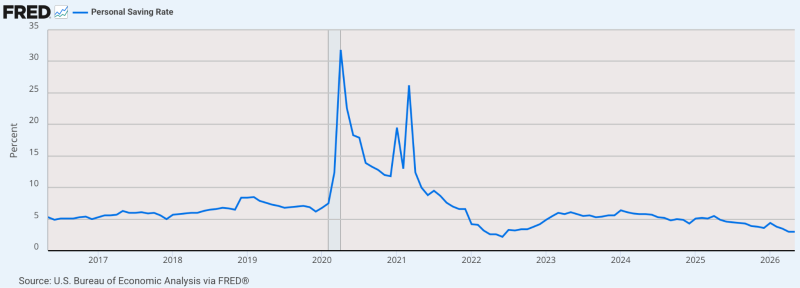
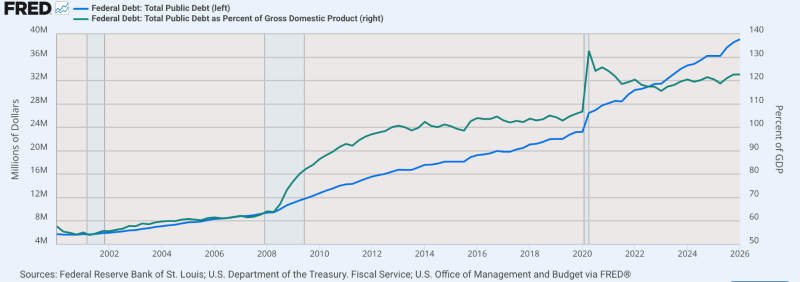
The Covid period put on hyperdrive a tendency that had been in place for decades, a Fed-forced low interest rate that rewarded leverage, punished savings, and gamed a high return on rising valuations in financials. The savers were the chumps while indebted speculators made the high returns. This flipping of the entire logic of capitalist production has now been institutionalized to the point of addiction. Any stepping away from this balancing act risks default and a crack up.
The indebtedness affects not only individuals but the US government too. The year 2020 was a fundamental shift.
There are so many other inchoate changes that are hard to quantify. You see it in the social interactions of the lockdown generation, its lack of focus and attention, its awkwardness on basic functioning and decorum, its surreptitious and routine duplicity, and its outlook toward the future.
The lockdowns and all that followed were a cruel attack on civilized life. They instigated a collapse of public trust in everything: academia, medicine, public health, government, media, tech, and all the legacy leaders of society. The fallout will continue far into the future.
Isn’t it about time that the elites who constructed these policies at least own up to what they did?
Senator Rand Paul’s (R-KY) efforts to compel honesty from Anthony Fauci, and Senator Ron Johnson’s (R-WI) indefatigable efforts to chronicle shot harm (they knew the risks), are both deeply honorable. But they are only the beginning of necessary efforts and they only cover two of the million questions that remain. There must be truth, there must be accountability, and there must be justice.
Join the Conversation
Published under a Creative Commons Attribution 4.0 International License
For reprints, please set the canonical link back to the original Brownstone Institute Article and Author.