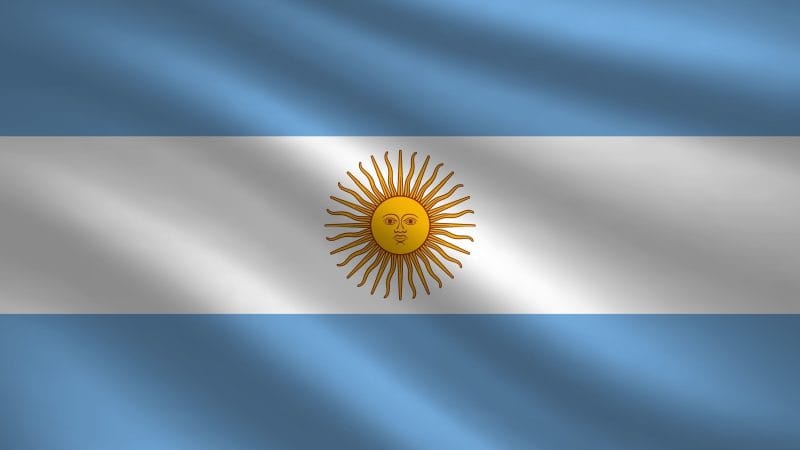


Argentina’s government has become increasingly skeptical of the World Health Organization, reflecting a wider reconsideration of international health institutions in the aftermath of Covid-19. Although Argentina has not formally withdrawn, it has expressed dissatisfaction with the WHO’s performance, its growing reliance on donor-funded agendas, and its push for expanded treaty authority.
This reassessment coincides with the even more consequential reality that the United States has initiated its withdrawal from the WHO. It is the first time since the Soviet Union rejoined the WHO in the 1950s that a major funder, in this case its most influential member, has stepped away.
The US departure changes the strategic environment in which Argentina must act. Washington’s decision was driven by concerns that the WHO mishandled the pandemic, promoted extreme and damaging restrictions, tolerated poor scientific practice, and allowed private philanthropies and advocacy networks to shape policy. The United States may seek reentry if future negotiations produce meaningful reform, and it may rejoin under a future administration, but for the foreseeable future the WHO will operate without its principal sponsor. This shift presents Argentina with new risks and new opportunities.
Argentina could leave immediately, but doing so now would limit its influence. Remaining as a conditional participant offers a more effective path. Conditional engagement means Argentina stays within the WHO while making clear that its membership depends on substantial changes in governance, transparency, and scientific integrity. This approach preserves access to certain technical networks, avoids needless diplomatic friction, and allows Argentina to align its stance with that of the United States during a period of global institutional realignment. Just as importantly, it leaves withdrawal as an option if the WHO remains unresponsive.
The case for this strategy rests on well-documented failures. During Covid-19, the WHO endorsed restrictive measures that imposed severe economic and health and social costs, particularly in low- and middle-income countries (LMICs). It resisted acknowledging successful alternative strategies, notably in Sweden and Tanzania, and later revised its historical guidance in ways that shielded institutional authority rather than enabling honest evaluation. In tobacco control and other areas, the WHO has become increasingly shaped by donor priorities that do not reflect the interests of sovereign nations.
The well-intentioned initiatives to limit the harms from smoking have led to unintended and perverse consequences that the organization has been reticent in acknowledging. The proposed expansion of the International Health Regulations and the Pandemic Agreement—negotiated with limited transparency—would grant the organization unprecedented influence over national emergency responses. These dynamics undermine trust and justify Argentina’s insistence on reform.
Conditional engagement allows Argentina to use its membership to demand these reforms. It can press for transparency in donor funding, scientific pluralism in decision-making, strict limits on the WHO’s authority during emergencies, and priority attention and resources to the most lethal infectious diseases in the LMICs. It can refuse to implement WHO recommendations unless they pass independent national review. With the United States now outside the WHO, Argentina becomes one of the few reform-minded voices still at the table, giving it a degree of influence it would not have from the outside. Should meaningful reforms fail to materialize, Argentina can still withdraw later—and that withdrawal would carry more weight because it followed a period of principled engagement.
At the same time, Argentina should deepen bilateral and regional cooperation, especially with the United States, which is building alternative health partnerships to replace WHO mechanisms. These can provide stronger technical support than the WHO currently offers, including in surveillance, laboratory capacity, drug-quality monitoring, and evidence-based harm reduction. Strengthening national scientific bodies and emergency preparedness systems will also ensure that Argentina remains fully sovereign in its public health decision-making.
Argentina does not need to decide today whether to stay or leave the WHO. It only needs to put the organization on notice that membership is no longer unconditional. By engaging selectively, aligning with the United States, and preserving the option of withdrawal, Argentina positions itself to influence the future of global health governance rather than being shaped by it. This strategy safeguards both sovereignty and flexibility in a rapidly changing international environment.
Join the conversation:

Published under a Creative Commons Attribution 4.0 International License
For reprints, please set the canonical link back to the original Brownstone Institute Article and Author.