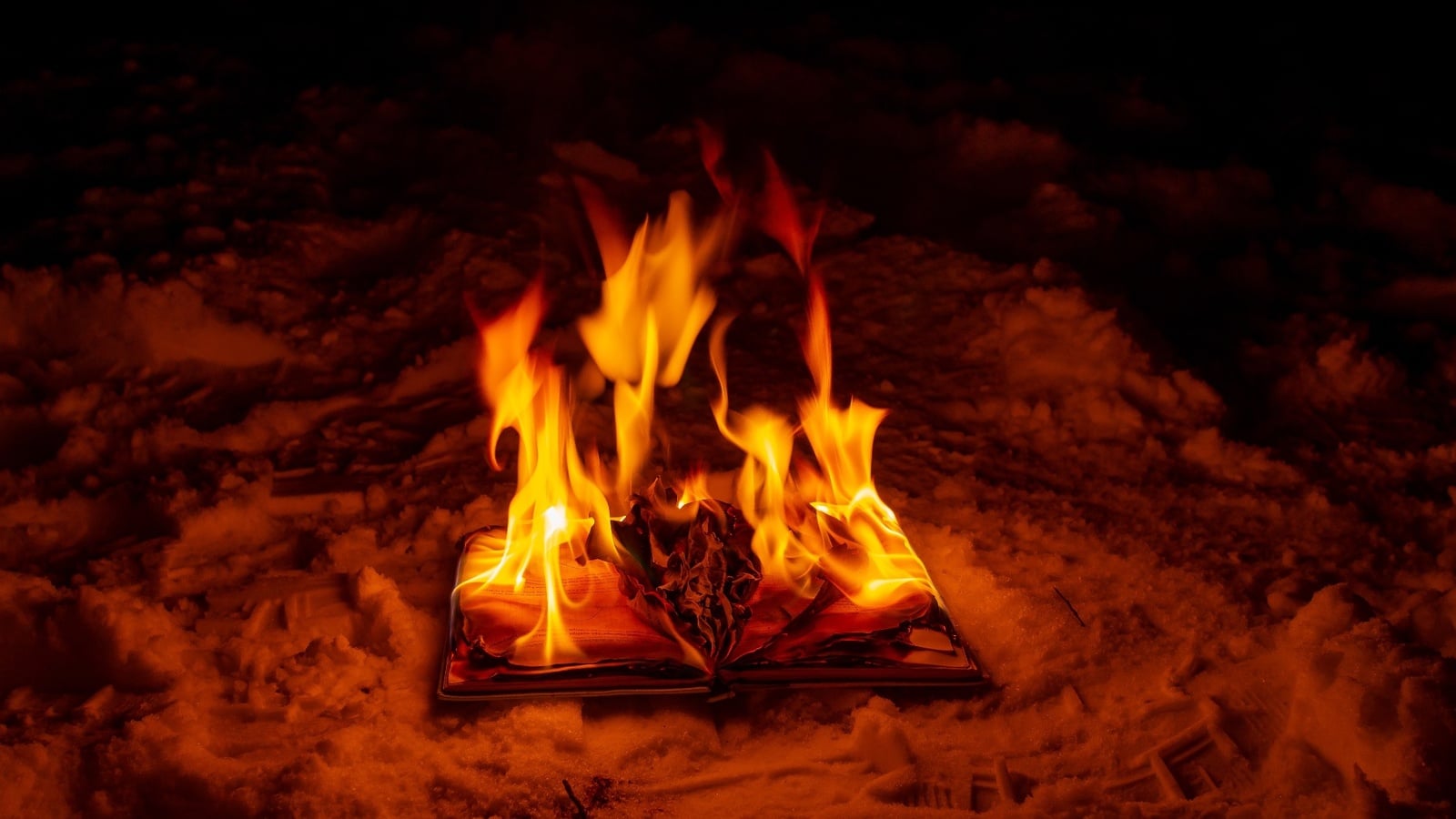
Great Britain, where I live, once prided itself on eccentricity, irreverence, and the right to say unpopular things. Today, people living in my country have been arrested over social media posts and other digital communications. Some have been imprisoned. Online censorship has become more sophisticated, surveillance technology continues to advance, and cancel culture has taught millions of people that expressing the wrong opinion can carry severe consequences. As a result, people are self-censoring out of fear of reprisals.
Books have a particular role to play here. They give people permission to explore ideas away from the noise and intimidation of social media. A reader can encounter something privately, consider it, question it, disagree with it, return to it, and perhaps find the confidence to openly express an opinion they had previously been afraid to voice.
This is why my publishing house, Free Speech Press, is launching with a reprint of George Orwell’s 1984.
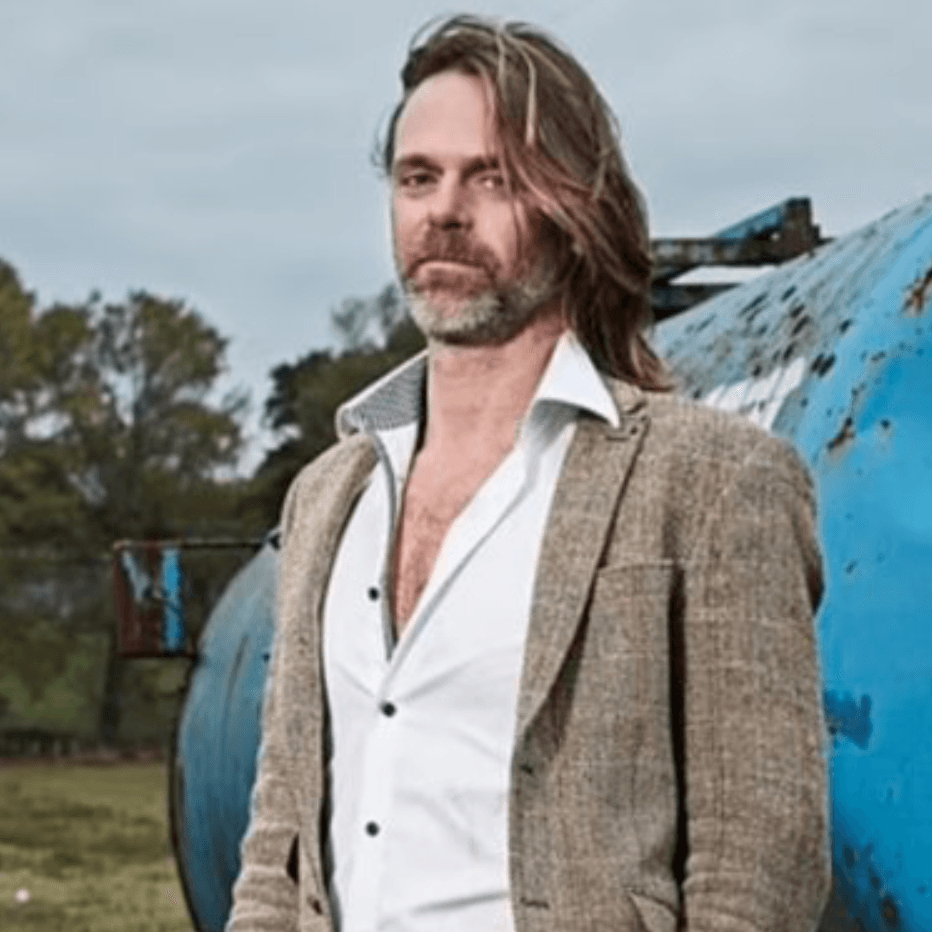
For this special edition, I asked the British writer and broadcaster Neil Oliver to write a new prologue. Neil travelled back, intellectually and geographically, to the circumstances in which Orwell created his final novel.
What follows is an extract from that prologue:
George Orwell was dying when he wrote 1984. Like the setting sun, he had travelled into the west: to Jura, the Deer Island in the Inner Hebrides off Scotland’s west coast. George Orwell was his nom de plume – Eric Arthur Blair is on the stone over his clay in the churchyard of All Saints’ Church in Sutton Courtenay, in Oxfordshire – and 1984 would be his swan song. As well as dying (he did not know it then) he was grieving the loss of his wife. It was with his sister Avril then, that he arrived at the lonely farmhouse of Barnhill in the north of the island in May of 1946. Eileen Orwell had died the year before, during a hysterectomy, and the couple’s son Richard joined father and aunt, along with housekeeper Susan Watson later that summer.
Barnhill was remote and on the point of being reclaimed by the elements, until the infusion of life, lives saddened, and from an unlikely source. Jura can be hard to love. Sparsely populated then as now, a place of blanket bog and bare rock. Getting to Barnhill was a matter of two ferries – first to Islay, second to Jura – then 20 miles by motor vehicle until the road dwindled and the last four had to be covered on foot. Food, fuel and the rest had to be carried along with everything else required. “Extremely un-get-atable” is how Orwell described their billet, and he loved it. He was middle-class – a literary type, obviously – and while he had written about the travails of the workers – including the degraded and degrading lives of coal miners and their families in Lancashire and Yorkshire in The Road to Wigan Pier (1937) – and had put in time in self-inflicted poverty as a Down and Out in Paris and London (1933) – by 1946 he still hankered after the hardship of other men’s lives, and the possibilities of a life lived far from the madding crowd.
If it sounds as though I am being unkind, it is not my intention. 1984 was a book I was given to read at school and along with many I have had reasons to think about George Orwell over and over in the years since. Most recently, when it has seemed for all the world as though his last novel is received and used less as dire warning of totalitarianism and more a must have How To handbook for would-be dictators everywhere, I have learned to see the author as nothing less than a seer.
That he was drawn to the Deer Island for the writing of it says to me that his last months and years were ordained for a vision, or a dreary dream the telling of which was nothing less than a calling, or perhaps a penance. It is Highland tradition that deer, the Red Deer, are portents of death. When the deer come down out of the hills and walk the streets of human habitations, their fleur-de-lis hooves clipping through the quiet dark, it is deep sadness they are foretelling. Dying of Tuberculosis still undiagnosed, though it had him coughing red blood while he wrote and wrote within the white walls of Barnhill, he and the world around him were also grieving all that had been lost in the World War just past. It was a shell-shocked world, and Orwell no stranger to its ways. Homage to Catalonia (1938) had been the product of his time fighting Fascism in the Spanish Civil War, and there he had been shot through the throat by a sniper, the wounding leaving him with a voice rendered faint.
Made gaunt anyway by war’s privations, broken hearted, during that harsh cradling on Jura he saw the future as clear as any Highlander gifted or cursed with the Second Sight. The future he saw was populated by citizens denied hope, made hopeless. Everything shaped to grind souls to lifeless matter. Tasteless food, ill-made and ill-fitting clothes. War everywhere and forever, pointlessly consuming whatever the proles made in soul-sapping factories. No privacy. Big Brother watching over all. The world of 1984 is as familiar to my generation as a half-remembered dream and yet for so many of us the last handful of years have had us sense its version of reality not as a dream but as an inevitability. Big Brother is made real in the apparatus of panopticon surveillance and those we are expected to call leaders foment war after war.
(the prologue continues in the book)
More than 75 years after Orwell wrote 1984, his vocabulary remains part of our political language: Big Brother, Thought Police, doublethink, Newspeak, and the memory hole. The technologies have changed beyond anything Orwell could have imagined, while his central questions about power, surveillance, language, and the control of information have acquired an uncomfortable new relevance.
Orwell gave my countrymen and women a warning. Neil Oliver’s prologue reminds us how clearly that warning was sounded, and how much closer some of its themes now feel. The question is what we do with it. Do we continue to retreat into silence, with careful language and whispered conversations, or will independent thinkers in Britain recover the courage to stand up and speak openly again?
You can purchase this edition here.
Join the Conversation
Published under a Creative Commons Attribution 4.0 International License
For reprints, please set the canonical link back to the original Brownstone Institute Article and Author.