The False Promise of Perfect Virus Control
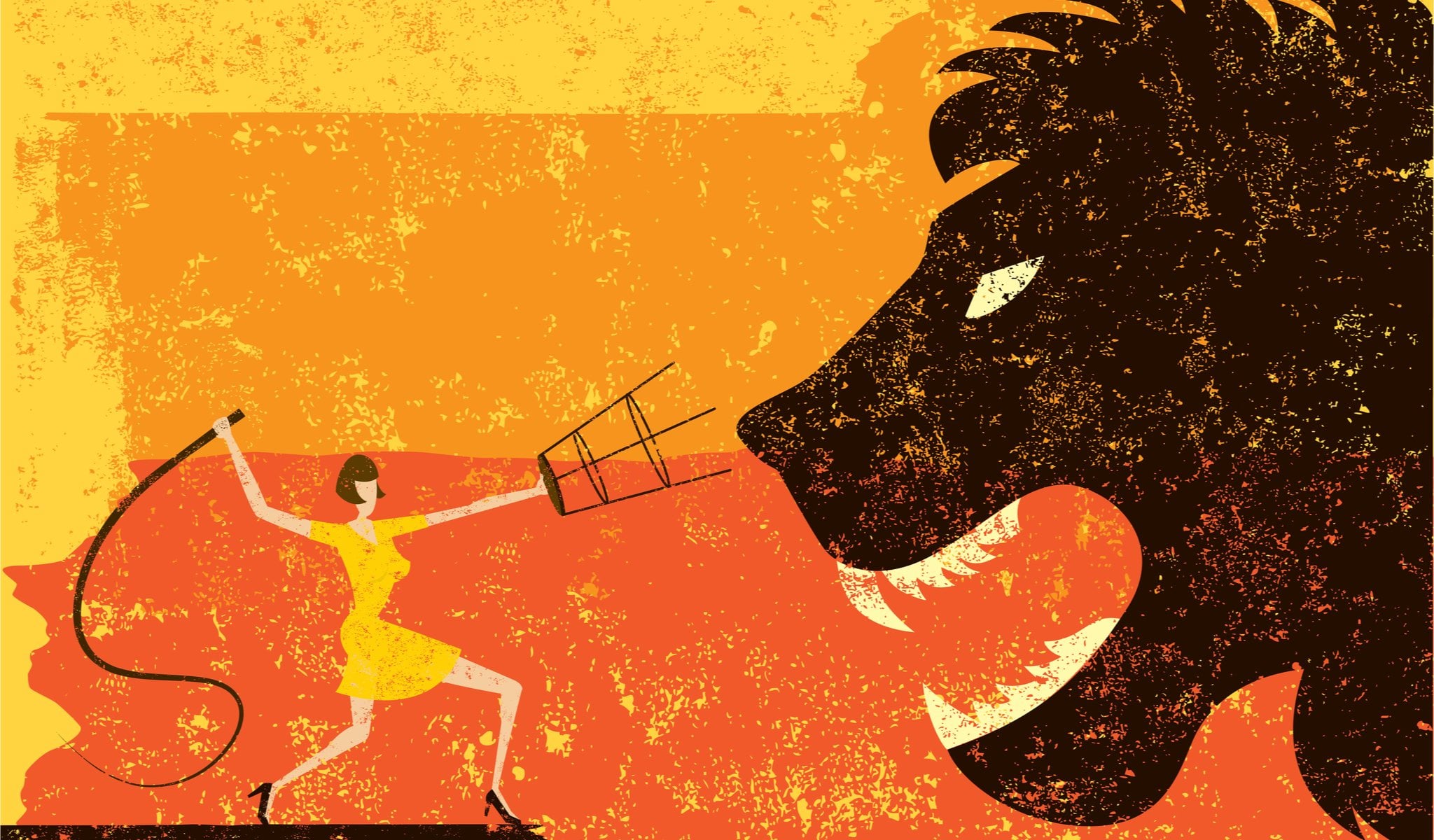
The impossible promise of perfect control continued throughout the Great Panic. It seduced governments and populations alike, and still does. Traces of this false promise will probably survive its end.
The impossible promise of perfect control continued throughout the Great Panic. It seduced governments and populations alike, and still does. Traces of this false promise will probably survive its end.
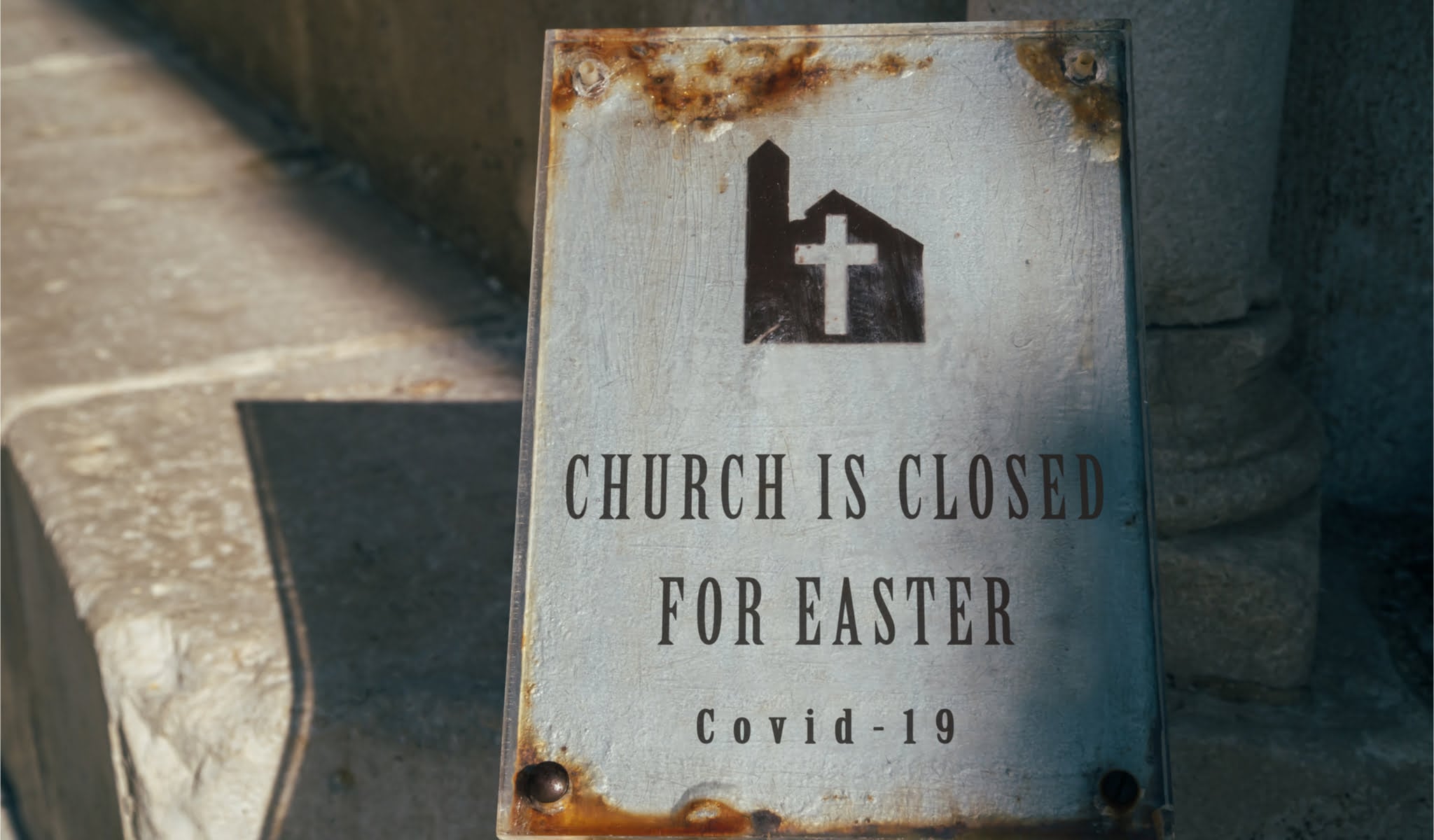
At a time of crisis, such as during a pandemic, is exactly when such institutions are even more needed than ever, and when faced with uncertainty, many seek the comfort and support of religious institutions.Yet during the pandemic and the lockdowns, religious institutions were only too willing to shut themselves down, close their doors, and therefore abandon those that depended on them.
The Religious Institutions Should Never Have Acquiesced to Lockdowns Continue Reading

Their singular obsession, emotional intensity, and size lead to crowds sometimes attaining great power and dictating directions that can change the course of history for a whole country, or even for the world. The inherent danger is that their obsession blinds them to everything else that matters in normal times.

Today, you won’t find people in polite society who have kind things to say about the eugenic theory of social organization, at least not in public. But as vaccine passports and their disparate impact reveal, it turns out to be strangely easy to manufacture a public health excuse – drawing on the primal fear of infection and disease – to recreate what amounts to the same structure with an excuse that is different only in its details but not in its impact on the social order.
Racial Segregation and Vaccine Passports: Ominous Parallels Continue Reading
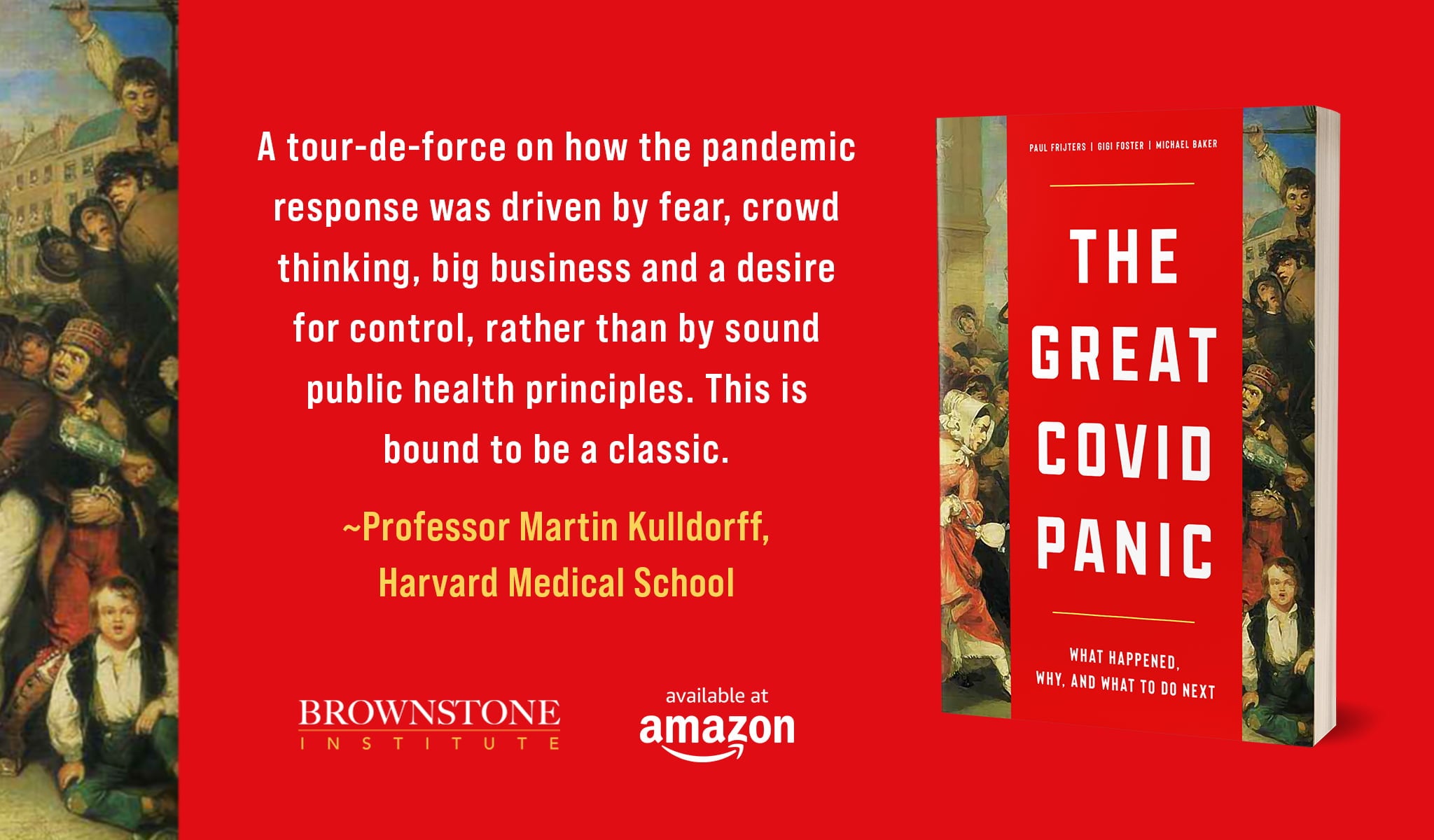
The Brownstone Institute is pleased to announce the impending publication of The Great Covid Panic: What Happened, Why, and What To Do Next, by Paul Frijters, Gigi Foster, and Michael Baker. Combining rigorous scholarship with evocative and accessible prose, the book covers all the issues central to the pandemic and the disastrous policy response, a narrative as comprehensive as it is intellectually devastating. In short, this is THE book the world needs right now.
The Great Covid Panic, by Frijters, Foster, and Baker. Available Now. Continue Reading
One hopes that the WHO in the future will stick to science rather than allow its once-vaunted reputation to be manipulated and abused by political and industrial interests that do not have the best interests of the public in mind.
The World Health Organization Oversold the Vaccine and Deprecated Natural Immunity Continue Reading

We’ve long misconstrued who precisely can be part of the intellectual battle. Everyone without exception can qualify as an intellectual provided he or she is willing to take ideas seriously. Anyone and everyone is entitled to be part of it. Those who feel the burden and the passion of ideas more intensely, in Mises’s view, have a greater obligation to thrust themselves into the battle, even when doing so can bring disdain and isolation from one’s fellows – and doing so most certainly will (which is why so many people who should have known better have fallen silent).
Intellectual Courage Is as Essential as it Is Rare Continue Reading
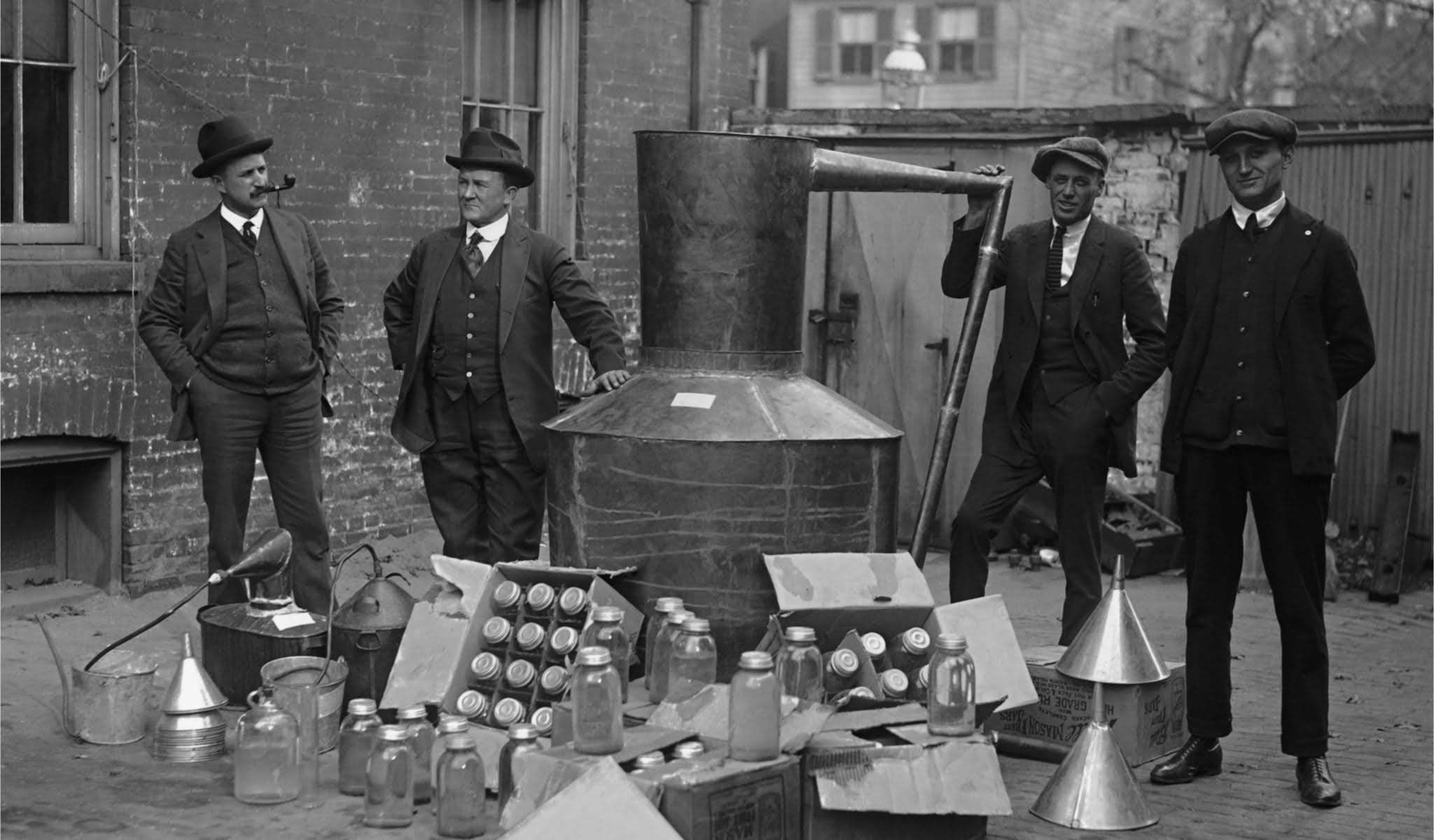
The Journal of the American Medical Association said of alcohol prohibition in 1920: “Most of us are convinced that it is one of the most beneficent acts ever passed by a legislature.”
The Respected Scientists Who Pushed for Alcohol Prohibition in 1920 Continue Reading
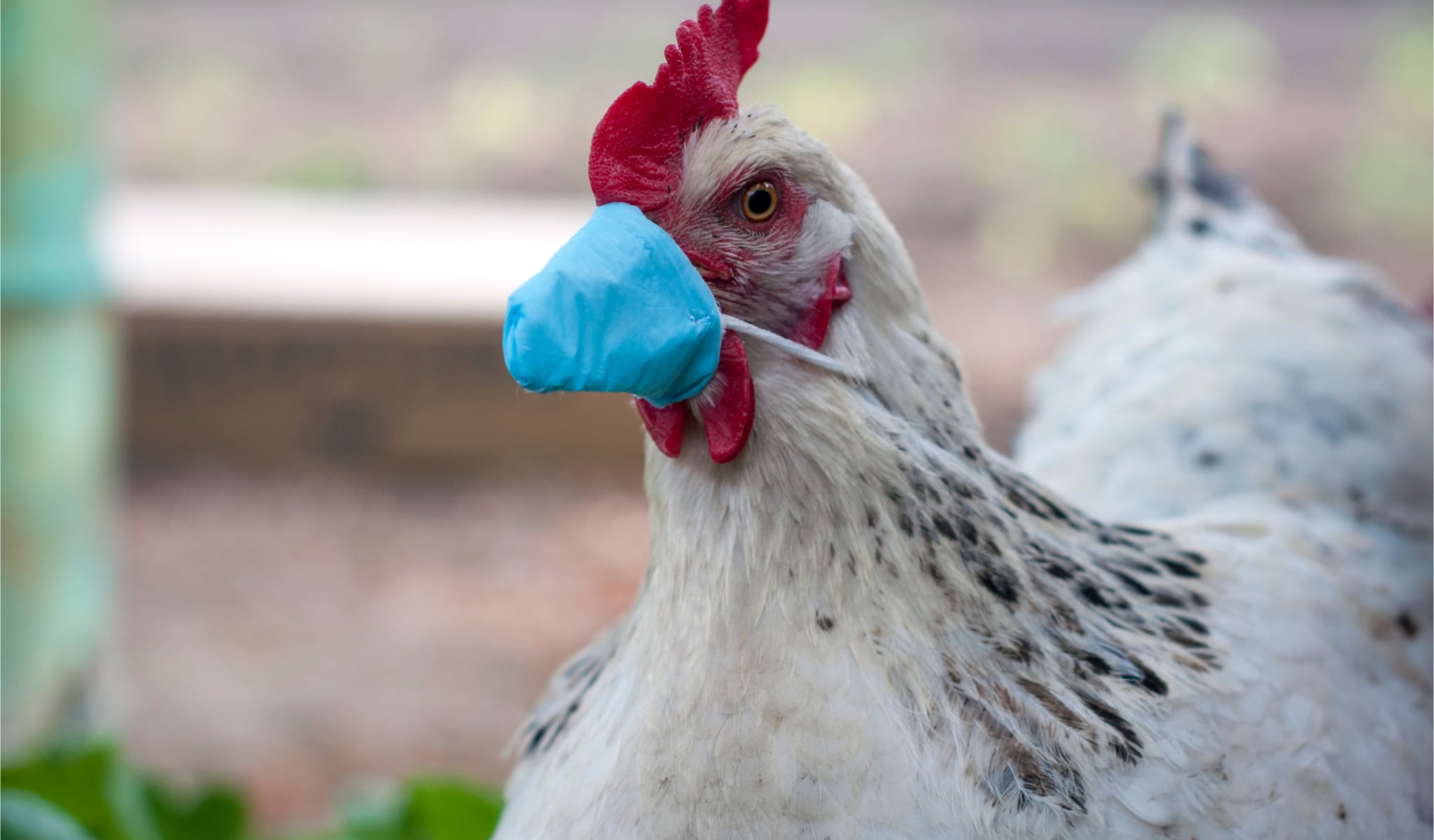
If they tried to generate panic based on next to nothing in 2005-06, people should have asked at the time, what will they do when something real comes along? It took 15 years but now we know.
“Half the Population Could Die!”: The Great Disease Panic of 2005-06 Continue Reading
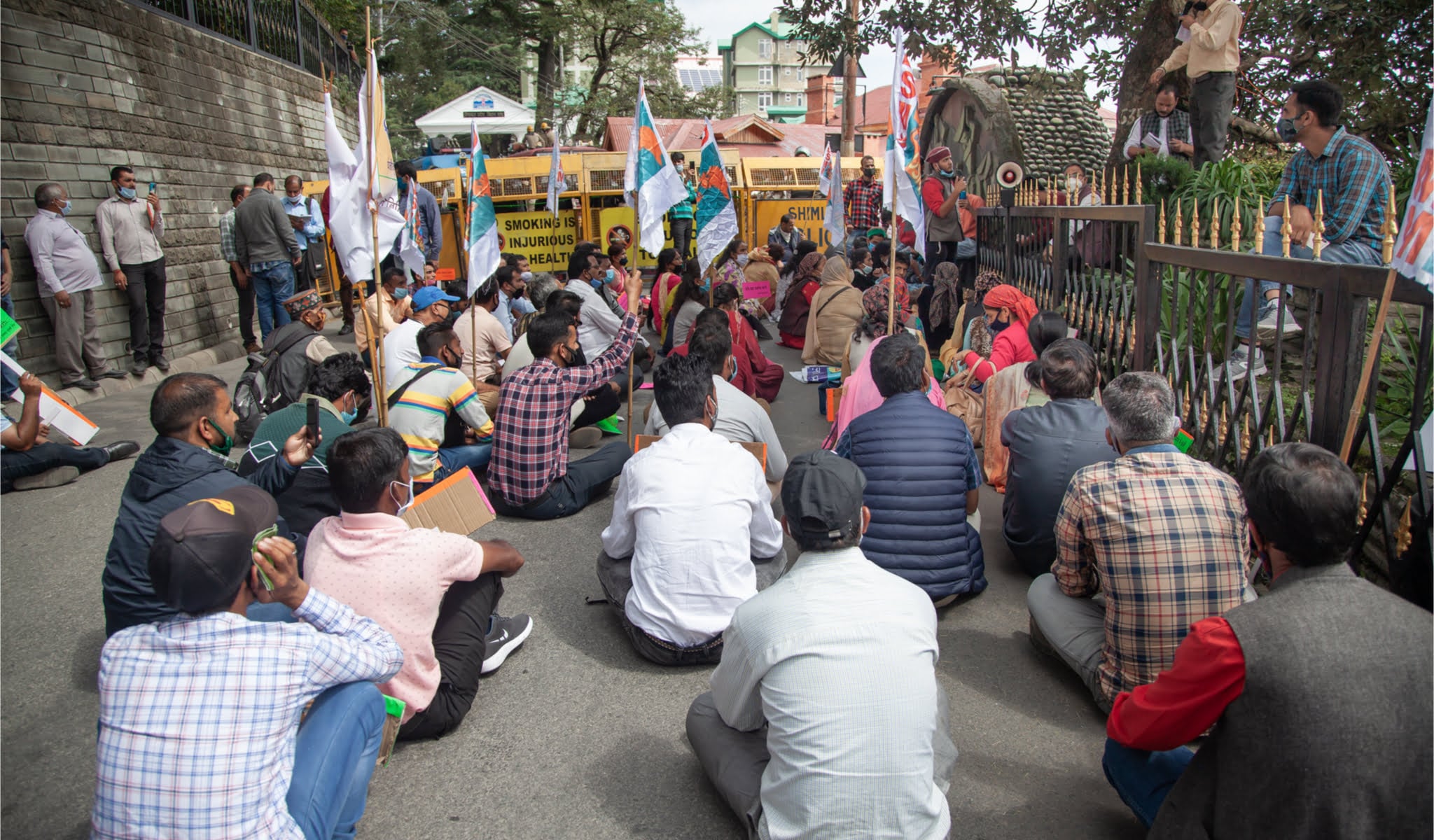
The great turn from ancient political and economic structures into more modern ones was not only about property rights, commercial freedoms, and the participation of ever greater waves of people in public life. There was also an implicit epidemiological deal to which we agreed, what Sunetra Gupta describes as an endogenous social contract.
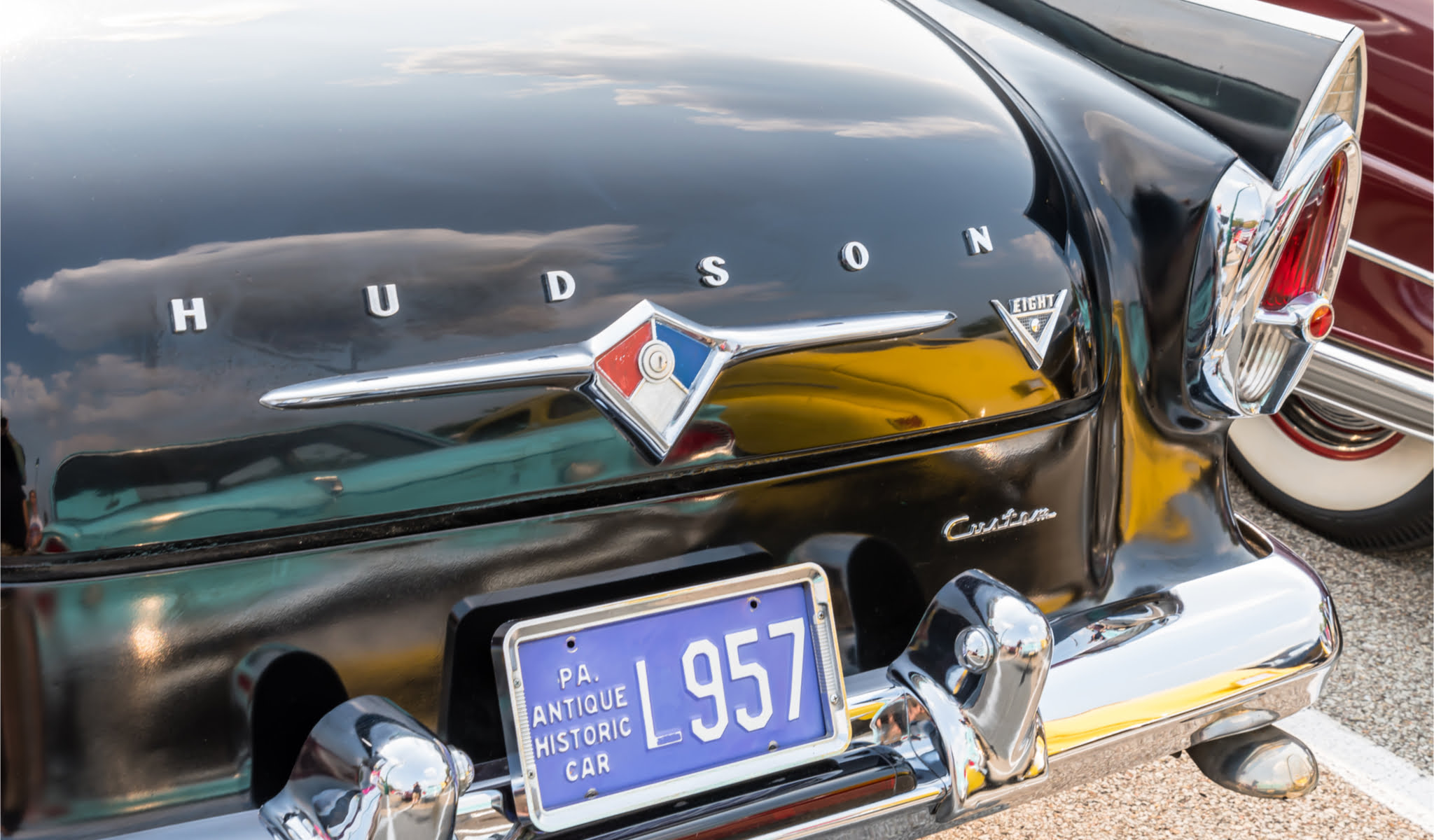
Newspaper reports at the time offer no record of widespread public event cancellations much less forced closures. Sometimes college and high school football games were postponed due to illness absences. Some conventions were cancelled by organizers. But that is all.
They Considered and Rejected Pandemic Closures in 1957 Continue Reading
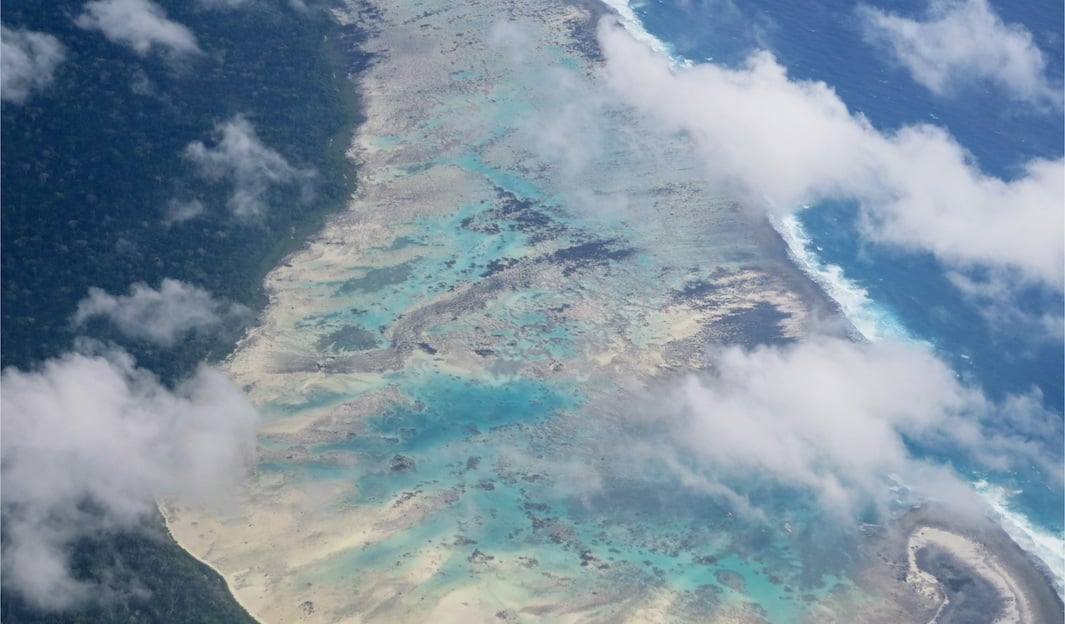
The North Sentinelese are a very real reminder of how cruelly bankrupt the run-and-hide strategy is as a broad form of virus mitiga
The Lessons of North Sentinel Island: The Ill-Health of Isolation Continue Reading
Search 4,000+ articles & events