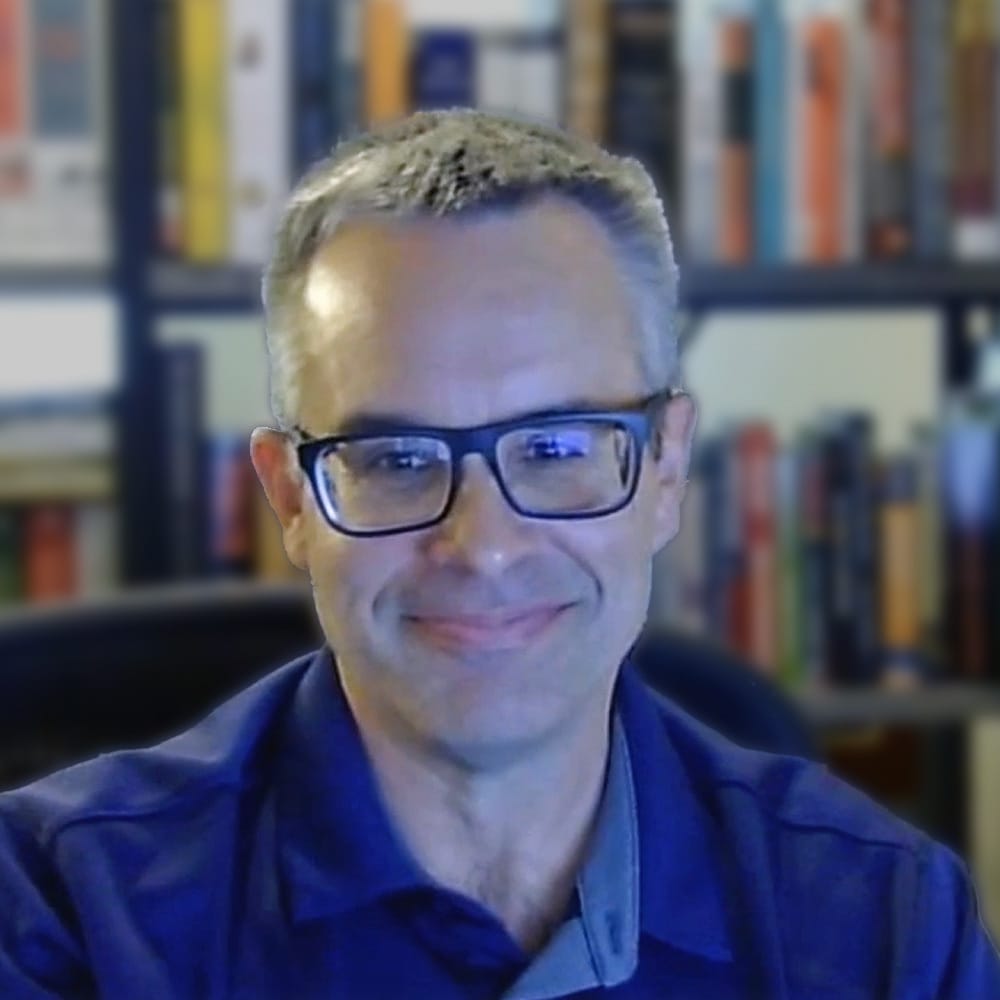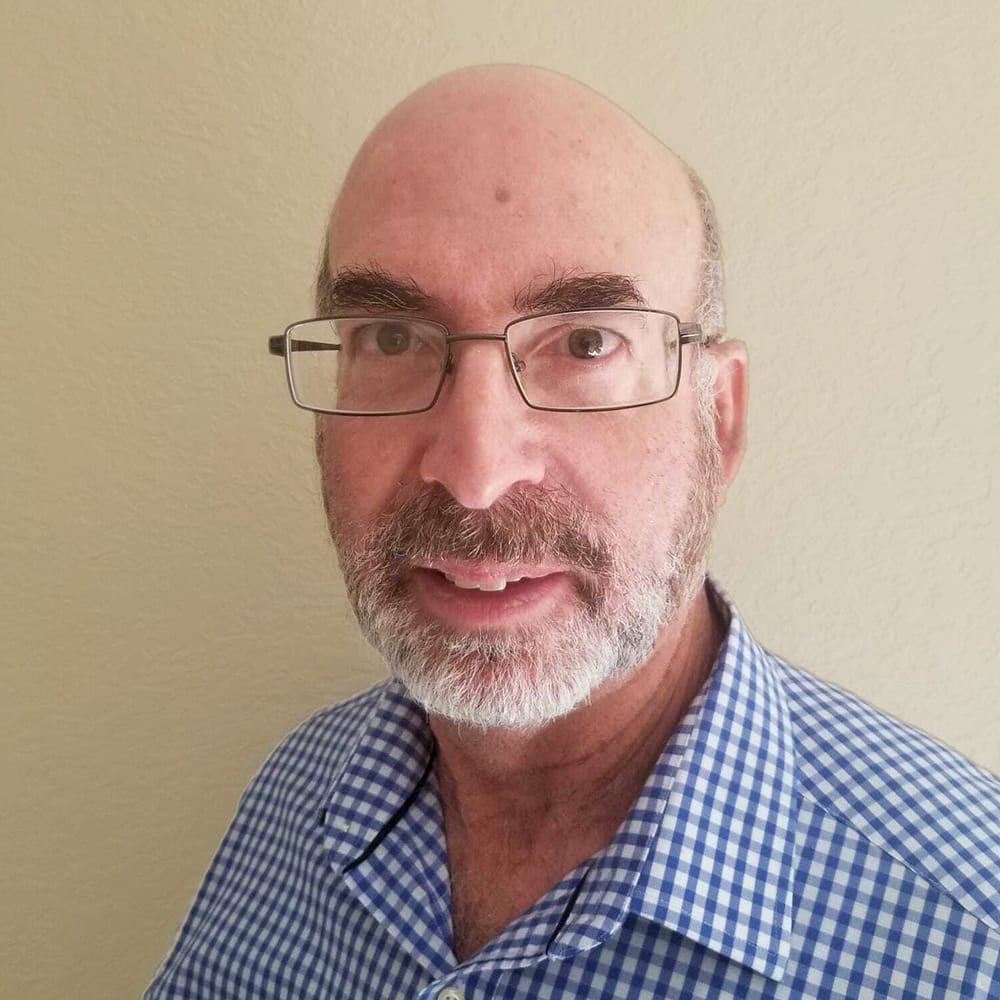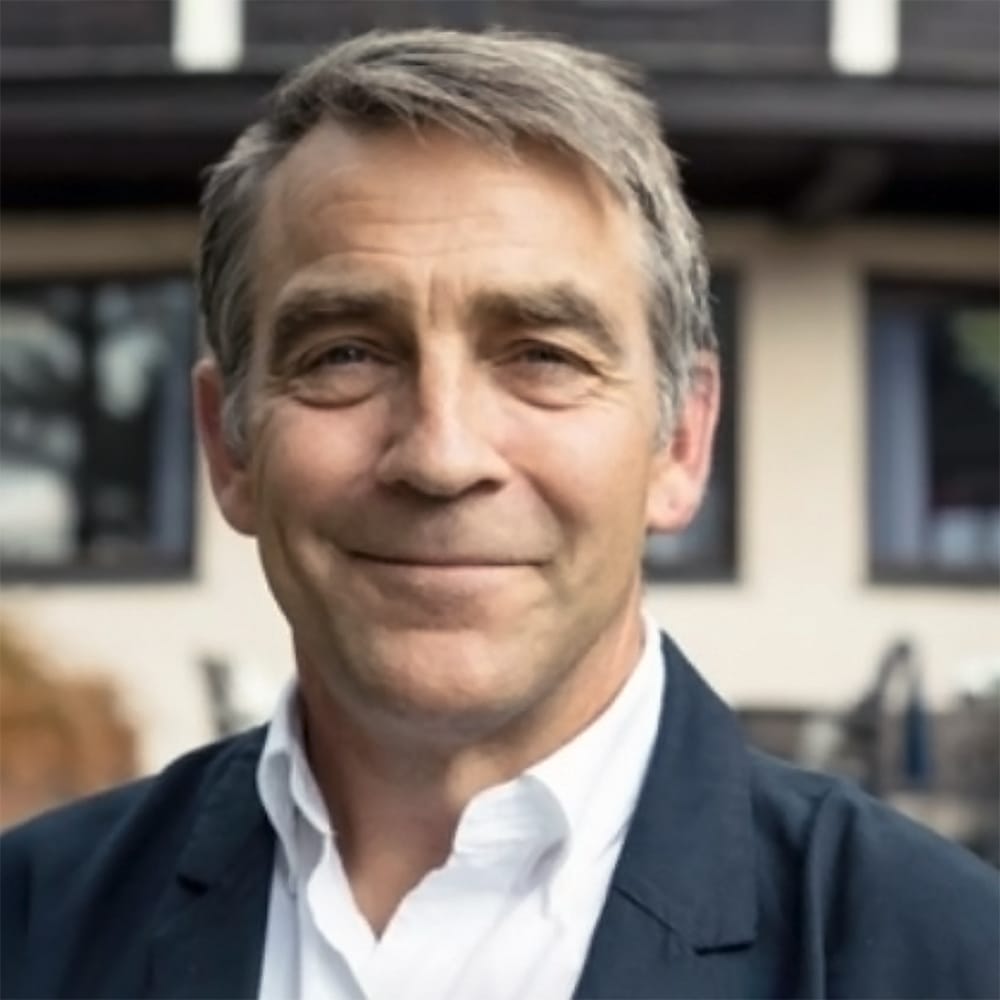
There are people who enter your life not by chance, but by purpose — who arrive precisely when the world feels most confusing and frightening, and who hand you the courage to build something you know will help other families who feel as you do during tumultuous and uncertain times. Warner Mendenhall was that person for me, and for so many others who had the privilege of knowing him. He passed away on June 8, 2026 from complications related to his advanced colon cancer.
I came to know Warner in 2021 through fellow advocates in the health freedom movement at a time when college students across the country were being stripped of their right to informed consent. Covid-19 vaccine mandates were descending on campuses with little scientific justification, and families were left uncertain about whether their students could return to in-person learning without being coerced to take these experimental medical treatments.
From the earliest days of the pandemic, Warner could see the writing on the wall before many others could. He had already built a successful law firm defending individual freedom and protecting constitutional rights for clients who had nowhere else to turn. He took great pride in helping those who felt hopeless, and he built a legacy on it which will carry on in his name.
At the time that I met Warner, he was one of the only attorneys in the country who had filed lawsuits against four Ohio colleges for their sweeping and unjustified pandemic policies — policies that were discriminatory, disruptive, and wrong on every level. In our heads and in our hearts, many of us knew these policies were wrong, but when we found one of the only lawyers fighting them, it gave us back the hope we had lost.
To meet Warner was to be immediately disarmed. Outwardly, he was jovial, kind, and gentle — extraordinarily well-spoken on individual freedoms and the law, yet always warm and approachable. He had the rare gift of making you feel that your fight mattered as much to him as it did to you. But beneath that warmth lived a fierce and unyielding advocate, a man with the strongest moral compass I have ever encountered. He had an acute sense of right and wrong, and once he decided something was unjust, nothing could stop him from working towards making it right.
What made Warner truly extraordinary, beyond his legal brilliance, was his boundless generosity of spirit. He spent countless hours on Clubhouse and X Spaces, speaking with me as co-founder of No College Mandates, with frightened parents, confused students, and overwhelmed professors — all of us trying to make sense of policies that simply made no sense. He never accepted a dollar for that time. He wouldn’t have. He was there because he believed it was right to be there, and that was enough for him.
I remember so clearly how many of us — myself especially — feared stepping forward to challenge academic institutions. We were neither scientists nor public health experts, but it didn’t matter. It was Warner who told us, plainly and with absolute conviction, to rise to the challenge. He reminded us that if the policies were not backed by reliable safety and efficacy data — and no college has ever provided such data, then or now — we had not only the right but the responsibility to push back. His words gave so many of us wings. He gave me the confidence to continue building No College Mandates, especially our resources, which helped thousands of families navigate institutional pressure during the pandemic. Every step of that work, Warner was there — encouraging us, sharing our data, introducing us to other advocates, and elevating our efforts so we could reach more families.
Warner invited me to speak at every Freedom Counsel conference he organized because he understood the importance of the work. On the hard days — and there were many — he never let me give up. He lifted my spirits with a quiet certainty that what we were doing mattered and would make a difference. I believe, with all my heart, that our organization helped save countless students from unwanted and unnecessary medical interventions, and to think now –I may not have continued without the value Warner placed on our work.
The last time I spoke with Warner, just six days before he died, he was going through what I can only describe as profound suffering. Yet, he spoke of it with such lightness, grace, and dignity —recounting for me his treatments and complications with a quiet chuckle so as not to sound as though he were complaining. I spent most of that hour just listening to him speak; later we laughed about some photos he sent me. He was most excited to share that he had recently converted to Catholicism. He walked me through what led to it, the work he did to get there, the joy he felt in having achieved it after wanting to convert for so many years.
He walked me through every detail of that small celebration photo; the books on the table, the art on the wall, and the rug which had been gifted to him by a dear colleague who wanted Warner to have it when he passed away. He was reflective with a calm courage that not many of us could muster under such conditions. Perhaps more than anything I will carry with me is the image of a man who faced his greatest battle with the same quiet courage and strength he brought to every courtroom and every cause.
Warner Mendenhall was the very definition of a selfless person. He took genuine joy in standing beside those most in need, in taking on injustices when others walked past, and in working tirelessly to make right what had gone terribly wrong. His legacy will carry on and those of us who had the honor of knowing him and working with him will make certain of it.
Join the Conversation
Published under a Creative Commons Attribution 4.0 International License
For reprints, please set the canonical link back to the original Brownstone Institute Article and Author.